nepal tiger
From a population of around 100,000 a century ago, global wild tiger numbers hit an all-time low of as few as 3,200 in 2010, with only 121 of the big cats estimated in Nepal. Tigers have faced multiple pressures that continue to this day, including poaching for the illegal wildlife trade, habitat destruction and fragmentation through illegal logging, urbanisation and agricultural expansion. Today, tigers are restricted to around 5% of their historic range and climate change poses a growing threat as extreme weather events can cause flooding or forest fires, and warming temperatures affect tiger habitats. As their habitat changes, tigers are also pushed into closer contact with people, potentially leading to an increase in conflict between them, with fatalities on both sides.

Our work in the field allows us to understand the tiger movement patterns, dispersal, population structure, communication, reproduction, and longevity of tigers in the western part of Chitwan National Park.
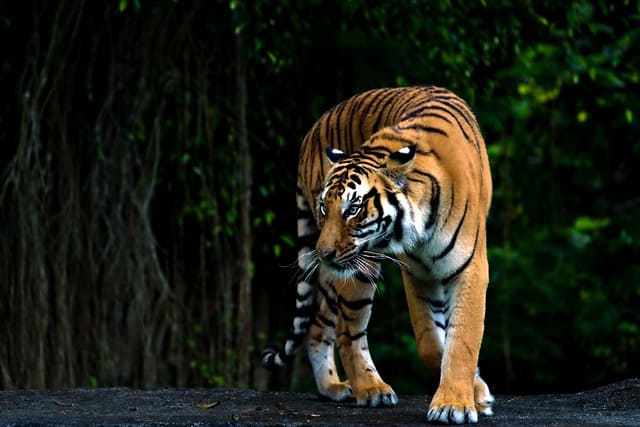
Nepal has been celebrated globally for tripling its tiger population in a decade - but Prime Minister KP Sharma Oli thinks the country may have been too successful. "In such a small country, we have more than 350 tigers… We can't have so many tigers and let them eat up humans," he said last month at an event organised to review the country's COP29 outcomes. Attacks by tigers claimed nearly 40 lives and injured 15 people between 2019 and 2023, according to government data. But local communities say the figure is much higher. "For us, 150 tigers are enough," Oli declared in December, even suggesting that Nepal could send its prized big cats to other countries as gifts.
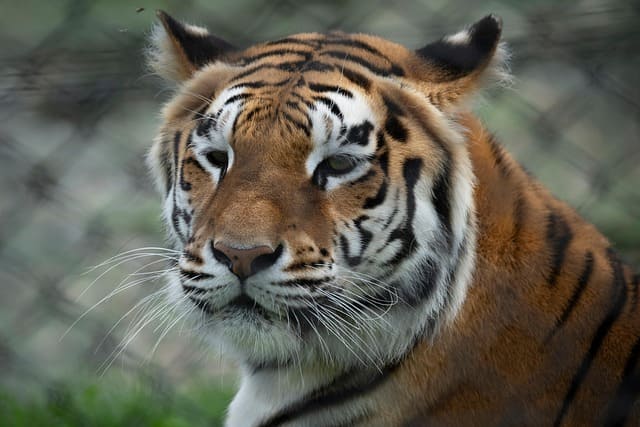
Nepal may address the problems caused by its growing tiger population by gifting some of the animals to other countries. The population of tigers in Nepal has almost tripled to about 355 since 2009. In an address in December in Kathmandu, prime minister KP Sharma said: “In such a small country like ours we can’t have so many tigers and let them eat up humans.” Mr Oli said a population of 150 tigers was sufficient for Nepal, and suggested presenting the remainder to other countries and to rich people overseas. “People love to keep birds like falcons and peacocks as pets, so why not tigers?” he said. The World Wildlife Fund’s most recent National Tiger and Prey Survey in 2022 revealed that over the previous 12 years Nepal’s Bengal tiger population grew from 121 in 2009 to 355. It said that these enhanced numbers had followed the TigerX2 initiative launched at the Tiger Summit in St Petersburg, Russia, in 2010 to double the dwindling tiger population in 12 Asian countries and Russia to about 6,000 by 2022.