NEPAL Main Festival
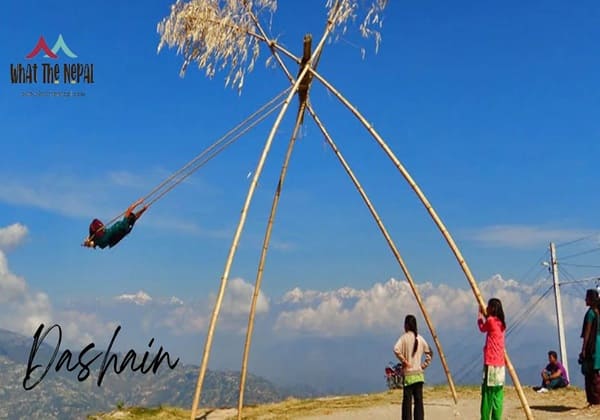
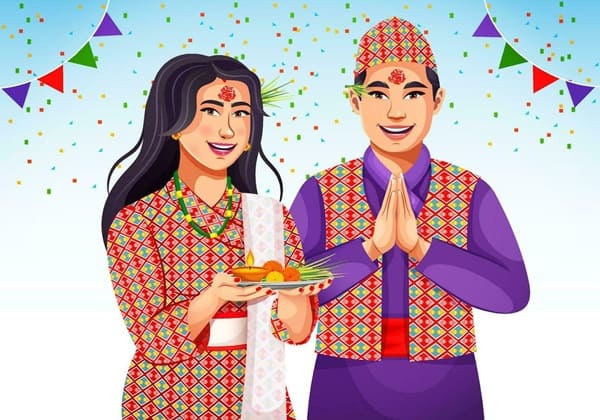
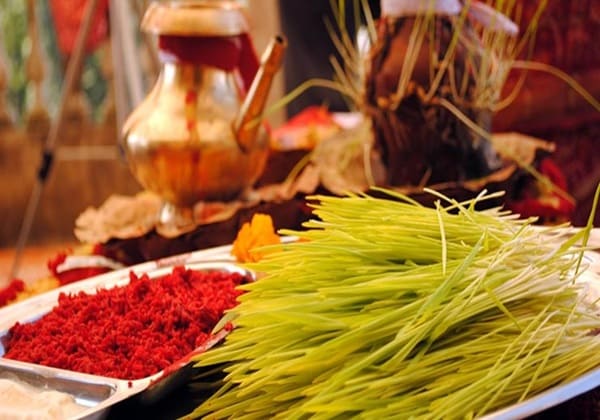
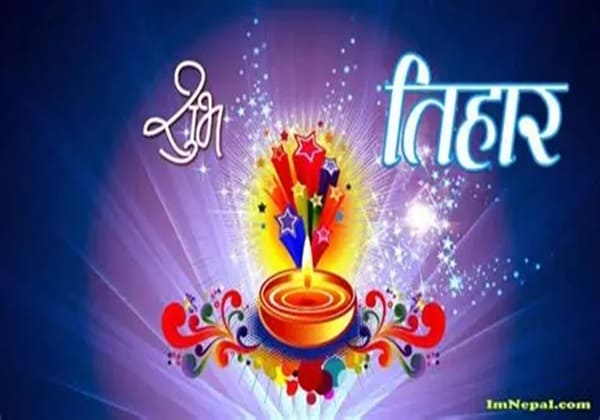
Nepal, a land of diverse geography and cultures, is deeply rooted in tradition and spirituality. The identity of its people is not only defined by language, art, and architecture but also by its vibrant festivals. Among these, Dashain and Tihar stand as two of the most significant celebrations that not only highlight the religious devotion of the people but also reinforce the cultural fabric of Nepali society. Dashain, known as the longest and most auspicious festival in the Nepali calendar, is associated with victory, renewal, and the worship of the goddess Durga. Tihar, often called the festival of lights, follows soon after Dashain and celebrates the deep bond between humans, animals, and divinity. Together, these two festivals embody the very essence of unity, resilience, and cultural pride in Nepal.